Pages tagged "how-i-think"

  • Trust & Accountability

    Trust is earned through honesty, consistency, and follow-through.

    I believe people deserve to know what their representatives believe, why they believe it, and what they are doing about it.

    TRUST & ACCOUNTABILITY

    That means being honest about what I know, what I don't know, and what I can realistically accomplish. It means explaining my decisions, keeping my commitments, and taking responsibility when I get something wrong.

    TELL PEOPLE THE TRUTH

    Honesty matters, especially when the answer isn't easy.
    Public officials don't always have good news to share. Sometimes a problem is harder than it first appeared. Sometimes there are competing priorities or difficult tradeoffs. Sometimes the right answer isn't obvious.
    I would rather explain those realities honestly than tell people what I think they want to hear.
    If I make a commitment, I should be able to explain what I intend to do. If circumstances change, I should explain that too.

    EXPLAIN THE REASONING

    Accountability starts before the vote.
    LISTEN → UNDERSTAND → DECIDE → EXPLAIN → MEASURE
    People deserve more than a yes or no. They deserve to understand how their representative arrived at a decision.
    When an issue is complicated, I want to explain the problem I see, the information I considered, the tradeoffs involved, and why I believe a particular course of action is the best one.
    Accountability doesn't begin after a decision is criticized. It is part of the decision-making process from the beginning.

    KEEP COMMITMENTS

    If I say I'll do something, I should follow through.
    Trust is built over time. It comes from doing what you said you would do and being honest when you cannot.
    I believe that applies to small commitments and large ones alike: returning a call, following up after a community conversation, keeping people informed about an issue, or doing the work necessary to move an idea forward.

    ADMIT MISTAKES

    Being accountable means being willing to say, "I was wrong."
    No one gets every decision right. New information can change what we understand, and sometimes the outcome of a decision is different from what we expected.
    I don't believe changing course when the facts warrant it is weakness. I believe it is part of responsible leadership.
    If I get something wrong, I should acknowledge it, learn from it, and do what I can to make it right.

    ACCOUNTABILITY GOES BOTH WAYS

    You should be able to hold me accountable.
    Accountability isn't something a candidate talks about only during an election. It is a relationship between a representative and the people they serve.
    I want people in District 9 to be able to ask questions, challenge my decisions, tell me when they think I've missed something, and expect a response.

    WHAT YOU CAN EXPECT FROM ME

    When I have the privilege of serving District 9, you should expect me to:

    Clear
    Be Straightforward about what I believe.
    Reasoned
    Explain why I reached a decision.
    Humble
    Be honest about what I know and what I don't.
    Reliable
    Keep my commitments.
    Upfront
    Tell you when circumstances change.
    Honest
    Admit when I get something wrong.
    Responsible
    Stay accountable for the results.

    ACCOUNTABILITY IN PRACTICE

    What does accountability look like?
    Suppose I support a proposal because I believe it will solve a particular problem. Supporting it isn't the end of the responsibility.
    I should be willing to explain why I supported it, pay attention to what happens afterward, listen to the people affected, and be honest about whether it produced the result we expected.
    If it didn't, the responsible response isn't to pretend otherwise. It's to understand why, learn from it, and determine what should happen next.

    TRUST IS BUILT OVER TIME

    Trust has to be earned.
    I don't expect people to trust me simply because I ask them to. Trust comes from what you do, how you communicate, and whether people can count on you over time.
    That's the standard I intend to hold myself to.
  • Practical Problem Solving

    Start with the problem. Then do the work to solve it.

    I don't believe elected officials need to have all the answers. I believe they need to ask good questions, listen to the people doing the work, and be willing to learn before making decisions.

    PRACTICAL PROBLEM SOLVING

    Government should make people's lives better, not make problems harder to solve. When people are dealing with rising costs, complicated systems, or problems that have been allowed to grow for years, I want to focus on what will actually work.

    HOW I APPROACH A PROBLEM

    I don’t start with slogans. I start with what’s real, and then I build a solution that can work.

    1. Start with what people are experiencing: Before looking for a solution, understand the problem as people actually experience it. What is making life harder? Who is affected? What is happening on the ground that may not be obvious from Madison?
    2. Ask good questions: A complicated problem usually has more than one cause. I want to understand what is driving it, what has already been tried, and what the people closest to it know that others may not.
    3. Listen to the people doing the work: Legislators aren't the experts in everything. Teachers, local officials, business owners, healthcare professionals, first responders, nonprofit leaders, and residents often understand a problem because they deal with it every day.
    4. Consider the tradeoffs: Most real problems don't have a solution that makes everyone happy. A responsible decision means understanding who benefits, who may bear a cost, what could go wrong, and what alternatives are available.
    5. Focus on the result: The goal isn't to win an argument or prove that an idea belongs to one political camp. The goal is to make the situation better.

    I want to look for solutions that reduce cost, complexity, and confusion and produce results people can actually see.

    PRACTICAL DOES NOT MEAN SIMPLE

    Some problems are genuinely difficult.

    Practical problem solving does not mean pretending every issue has an easy answer.
    Sometimes the choices are between imperfect options. Sometimes a solution takes time. Sometimes the state can only address part of a problem. And sometimes new information changes what we thought we knew.
    I would rather be honest about those limits than promise an easy answer that doesn't hold up.

    INDEPENDENCE MATTERS

    The problem comes before the party line.
    I don't want to start with a political answer and work backward to justify it.
    I want to understand the problem first, listen to the people affected, consider the available information, and decide what I believe will work.
    That's one of the reasons I chose to run as an Independent. I'm not interested in protecting a political team's position. I'm interested in finding a better way forward for the people of District 9.

    WHAT THIS MEANS IN PRACTICE

    Ask a different question.
    When a family says something is too expensive, the question shouldn't stop at "What policy do you support?"
    We should ask: Why is it so expensive? What is driving the cost? Who is paying for it? What could actually bring that cost down?
    The same approach applies whether we're talking about healthcare, schools, infrastructure, housing, or the cost of doing business.
    Start with the problem. Understand it. Then work toward a solution.

    WHAT YOU CAN EXPECT FROM ME

    If I have the opportunity to serve, I will:

    Curious
    Ask questions before making assumptions.
    Attentive
    Listen to people who understand the problem firsthand.
    Realistic
    Look honestly at the costs and tradeoffs.
    Collaborative
    Work with anyone willing to work on the problem.
    Independent
    Focus on outcomes rather than political points.
    Candid
    Be honest when a problem is harder than it first appeared.
    Results-oriented
    Measure whether what we did actually worked.

    GOOD GOVERNMENT SHOULD WORK FOR PEOPLE

    I don't expect every problem to have an easy answer. I do expect the people we send to Madison to take problems seriously, listen carefully, do the work, and stay focused on whether their decisions actually help.
    That's the kind of practical leadership I want to bring to the State Senate.

    NEXT PRINCIPLES

    See how this approach shapes Christian's positions on important issues.

    See how this approach shapes Christian's positions on important issues.
    See the areas where Christian believes Wisconsin needs to focus its attention.
  • Community Before Party

    My responsibility is to the people of District 9. I am running as an Independent because I believe representation should start with the people and communities you serve, not with a political party.

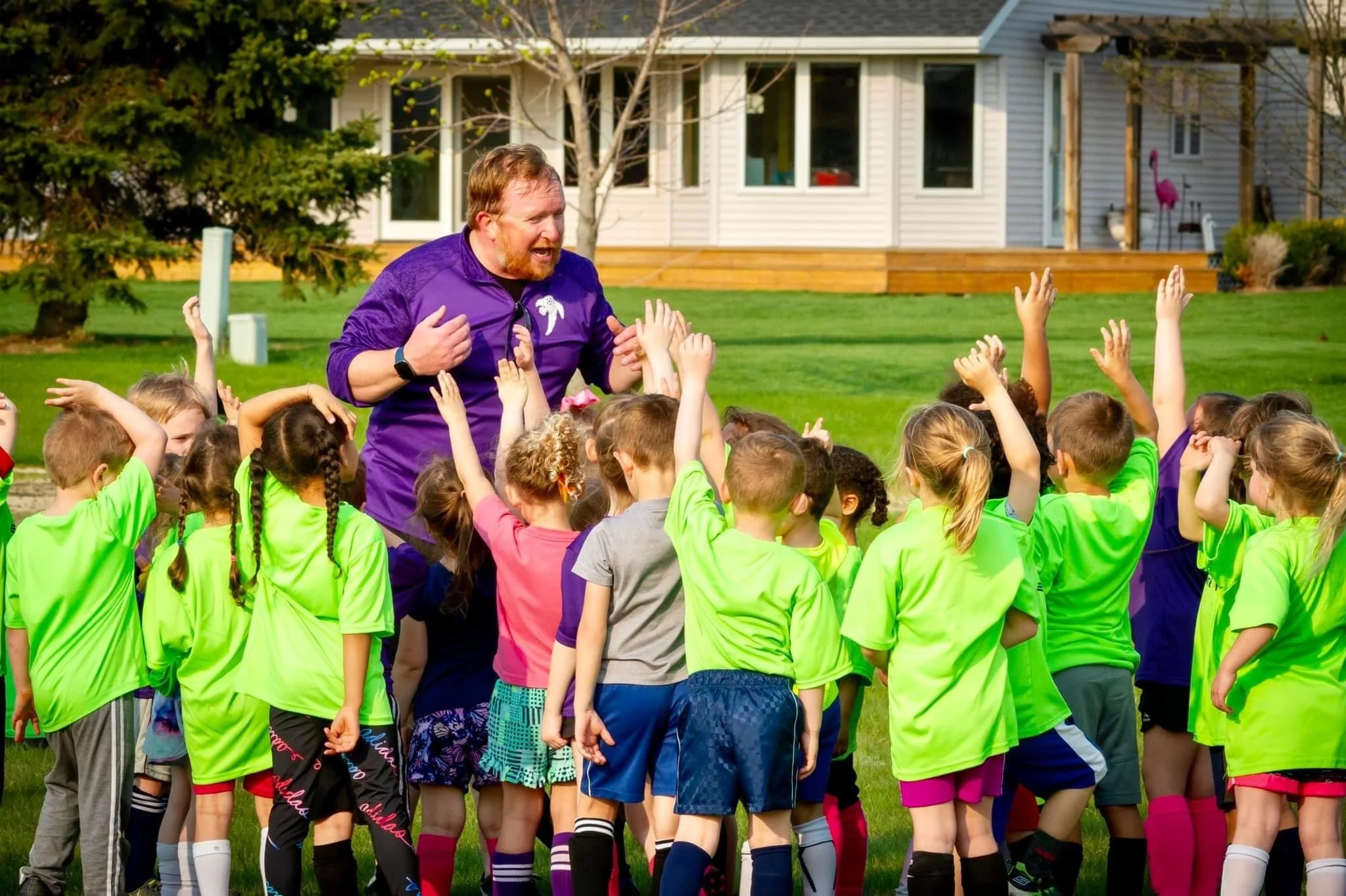
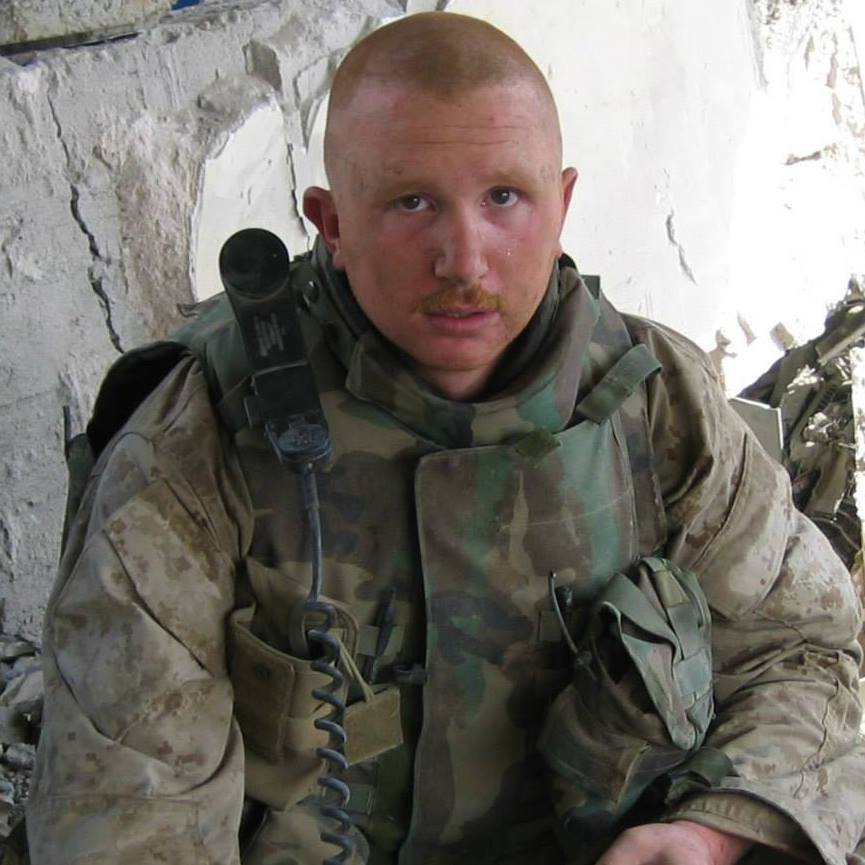
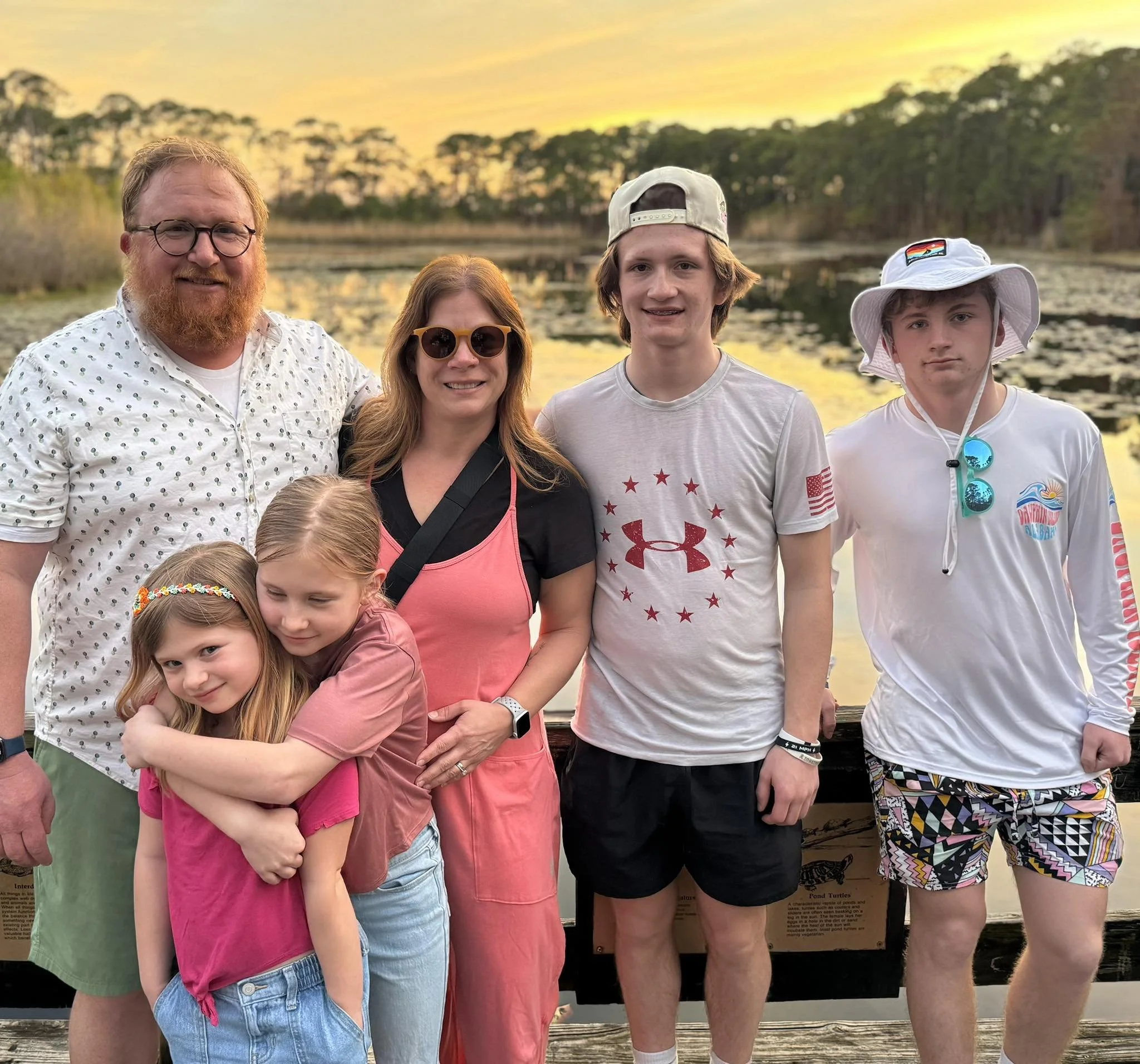
    Christian Ellis is a small business owner, a Sheboygan County Board supervisor, a lifelong resident of the district, a father of four, a decorates Marine Corp combat veteran, and a youth soccer coach.

    He has spent years building a business, serving his community, coaching young people, and working with people who do not always agree.

    He is running for State Senate because he believes District 9 deserves representation that starts with the people who live here.

    Independence is not about standing alone. It is about being accountable to the people you represent.

    What Independent means

    Independent is a responsibility.

    Not undecided. Not neutral for the sake of it.

    Being independent means being free to listen, consider good ideas wherever they come from, weigh the facts and consequences, and make a judgment based on what will serve District 9 and Wisconsin.

    It also means being accountable for that judgment. Christian will have clear positions on important issues. Independence does not mean avoiding difficult questions or refusing to take a position.

    And when new information changes the picture, a representative should be willing to reconsider.

    Community Before Party

    How that independence works

    Christian's responsibility is to the people of District 9. That means being willing to work with Democrats, Republicans, Independents, and anyone else who is willing to work on the problem.

    Listen Before Deciding

    People closest to a problem often understand it better than people looking at it from Madison. Their experience should be part of the decision.

    Good Ideas Can Come From Anywhere

    An idea deserves a fair hearing based on what it could accomplish, not simply on who proposed it.

    Disagreement Is Part of Democracy

    Working together does not require everyone to agree. It requires people to listen seriously, understand the disagreement, and keep talking.

    Results Matter More Than Credit

    The goal of public service should be solving problems, not making sure one party gets credit for the solution.

    Practical Problem Solving

    How this looks in practice

    When a proposal comes before the State Senate, Christian believes the first question should not be which party supports it.

    1

    Define the problem

    What problem are we actually trying to solve?

    2

    Listen

    Who is affected, and what do the people closest to the issue have to say?

    3

    Weigh the facts

    What does the evidence tell us, and what are the tradeoffs?

    4

    Make a judgment

    Is there a better approach, and what will actually serve the district?

    5

    Be accountable

    Explain the decision, stand behind it, and reconsider when the facts change.

    Clear Positions

    Independence does not mean avoiding positions.

    Christian believes voters deserve clear answers about the issues that matter to them.

    Independence means arriving at those positions by listening, weighing the facts, considering the consequences, and making his own judgment.

    You can read those positions directly on the site.

    Explore Christian

    See how this approach connects to what he wants to accomplish.

    Learn about Christian's priorities, his positions on important issues, and the experience that shaped his approach to public service.

    Explore Priorities & Positions →
  • Service & Responsibility

    Public service means showing up and doing the work.

    I believe public office is a responsibility, not a title. People should be able to count on their representatives to show up, do the work, follow through on their commitments, and take responsibility for the results.

    That sounds simple, but it matters. Government affects people's everyday lives, and the people who serve in it have an obligation to take that responsibility seriously.

    SERVICE IS MORE THAN A PROMISE

    Show up. Listen. Follow through.

    Service starts with being present. You cannot understand a community from a distance or solve a problem without taking the time to understand it.
    I believe good public service means showing up, listening to the people affected by a decision, doing the work required to understand the problem, and following through after the attention has moved somewhere else.

    RESPONSIBILITY MEANS OWNING THE RESULT

    Accountability doesn't end when a decision is made.

    Leaders are responsible for the choices they make and for communicating clearly about those choices.
    Sometimes a decision will not produce the result we hoped for. Sometimes new information will show that a different approach would be better. I believe responsibility means being honest about that, learning from it, and doing the work to improve the result.

    THIS IS THE KIND OF SERVICE I ALREADY BELIEVE IN

    My approach to service has been shaped by years of working with people in my community, from coaching youth soccer to serving on the County Board and working with local organizations and families.
    Those experiences have reinforced something I believe strongly: people don't need another person telling them how important their concerns are. They need someone willing to listen, understand the problem, and follow through.

    WHAT THIS MEANS AS A SENATOR

    If I have the privilege of serving in the State Senate, you should expect me to:

    SHOW UP
    Be present in the communities I represent and available to hear from the people who live there.
    DO THE WORK
    Ask questions, understand the details, and work with people who have the knowledge and experience needed to solve problems.
    TELL YOU THE TRUTH
    Explain what I believe, why I believe it, and when the facts or circumstances change.
    FOLLOW THROUGH
    Keep working after the announcement or vote, because the result is what matters.
    TAKE RESPONSIBILITY
    Stand behind my decisions and acknowledge when something needs to change.

    SERVICE COMES BEFORE POLITICS

    I don't believe serving the people of District 9 should depend on which political party gets credit.
    Good ideas can come from anywhere. My responsibility is to listen, work with people who are willing to work on the problem, and focus on what will actually help the people and communities I represent.
  • Priorities & Positions

    What I Want to Accomplish. Where I Stand.

    I believe public service starts with listening, understanding the problems people are facing, and being willing to do the work to address them.

    But listening is only the beginning. Leadership also means thinking independently, making difficult decisions, explaining why, and accepting responsibility for the results.

    Some issues are broad priorities for Wisconsin and District 9. Others are questions voters deserve a direct answer on. This is where you can explore both: what I want to accomplish and how I approach specific policy questions.

    I don't believe leadership is about slogans. It's about practical solutions, honest communication, accountability, and results that make a difference in people's lives.


    Priorities tell you where I believe we need to focus. Positions tell you how I approach specific questions.


    The two are connected. My positions should reflect the principles behind them, and my priorities should translate those principles into meaningful work, concrete goals, and accountability for results.

    Two Ways to Explore

    PRIORITIES

    What I Want to Accomplish

    Wisconsin and District 9 face challenges that require practical attention and responsible leadership. These are the areas where I believe state government should focus its efforts and where I want to work toward meaningful, measurable results.

    Explore My Priorities →

    WHERE I STAND

    Clear Answers to Important Questions

    Some issues demand a direct answer. Here you'll find my positions on important questions facing Wisconsin and our communities, along with the principles and reasoning behind them.

    See Where I Stand →

    HOW I APPROACH POLICY

    Policy starts with people, not party platforms.

    I don't believe every problem has an easy answer, and I don't believe good decisions come from choosing a position first and working backward.


    I start by listening to the people affected, understanding the problem, considering the available information, and thinking about what can actually be accomplished. Then I make a judgment, explain it, and remain accountable for the results.

    WHAT I'M HEARING

    Policy shouldn't be developed in isolation. Conversations with educators, business owners, first responders, local officials, community organizations, families, and other residents help shape the questions I ask and the problems I focus on.

    See what Christian is hearing and learning across District 9.

    STILL GETTING TO KNOW CHRISTIAN?

    Learn more about Christian's background and the principles that guide how he leads.

    READY TO GET INVOLVED?

    Stay informed about the campaign, attend an event, volunteer, or support the campaign.

    Get Involved →
  • How I Lead

    How I approach public service, difficult decisions, disagreement, and accountability.

    I don't believe elected officials need to have all the answers. I believe they need to ask good questions, listen to the people doing the work, consider the information in front of them, and be willing to learn before making decisions.

    That's what independence means to me. It means having the freedom to look at each issue on its merits, consider its impact on the people and communities of District 9, and make a decision based on what I believe is right, rather than what a political party expects.

    HOW I APPROACH A DECISION

    Listen. Understand. Decide. Explain. Learn.

    Rather than presenting a generic leadership philosophy, I make the actual process visible. This is how I work through difficult decisions—step by step.

    01

    Listen

    Start with the people who are affected by a decision and the people doing the work. Their experience matters. Listening isn't passive—it's the foundation for understanding what's actually happening and what's at stake.

    02

    Understand

    Ask questions, consider competing information, and make sure I understand the problem before deciding what to do. Rushing to a solution without understanding the problem is a disservice to the people I serve.

    03

    Decide

    Use judgment, experience, and the facts available. I don't expect every decision to have an easy answer, and I won't pretend that it does. I weigh trade-offs and decide based on what's right for the community.

    04

    Explain

    People deserve to understand why a decision was made—especially when they disagree with it. Transparency and clear communication are part of respecting the people I represent.

    05

    Learn

    New information matters. If I get something wrong, I should be willing to acknowledge it, adjust, and keep working toward a better result. Accountability is a commitment to learning and improving over time.

    “Leadership starts with listening. It also requires judgment, accountability, and the willingness to act.”

    WHAT GUIDES ME

    The principles behind the process

    These four values support how I listen, decide, and serve the people of District 9. They are the foundation beneath every step.

    WHAT THIS MEANS IN PRACTICE

    See What I Want to Accomplish

    The way I lead directly shapes the priorities I fight for. Explore my positions on the issues that matter to District 9.

    Explore My Priorities
  • Why I'm Running

    Why I'm running for state senate

    This moment demands more from all of us.

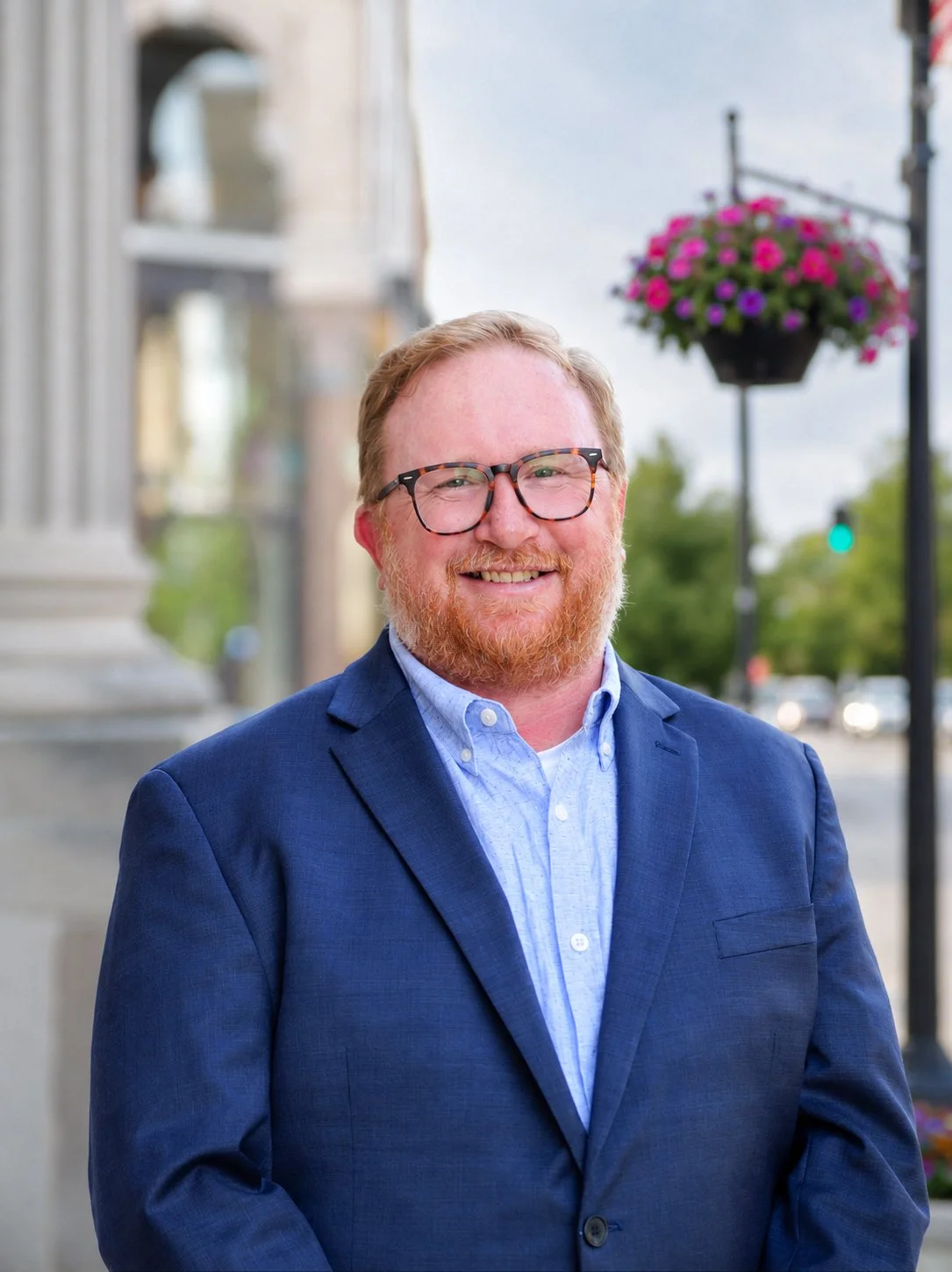
    Christian Ellis headshot

    I believe in individual freedom. Real freedom means families are not crushed under the weight of healthcare or insurance costs, the cost of child care, or the cost of their own taxes. We need to address the affordability crisis that is hurting our rural communities and family farms especially hard.

    At the same time, we have to be forward-thinking. Our world is changing, with real implications for infrastructure, water management, roads, and emergency preparedness. Ignoring those realities does not protect taxpayers, families, or businesses. It hurts them.

    We need to fund our public schools. We need those schools to invest in programs that build confidence, curiosity, and resilience. But year after year, our schools are being asked to do more with less. They are cutting programs. They are laying off staff. They are closing their doors. We cannot afford to allow this to continue.

    The needs of our district are not being met.

    We need to take a long, hard look at who we are sending to Madison to represent us. The hardworking people of Senate District 9 deserve representation that will fight for them, not abandon them in the face of adversity.

    I am not a politician. I do not pretend to be the smartest person in the room. I believe true leadership requires us to listen, use our own expertise when appropriate, and be fearless when confronted with new challenges and obstacles.

    I'm running because we need to get back to a shared sense of reality and a shared commitment to making progress together. That starts with integrity in public office and an independent willingness to focus on the common good rather than personal or partisan agendas.

    Christian with youth soccer group

    I want Wisconsin to be a place where our kids can do better than we did.

    As a father of four, I want the world my children inherit to be one filled with opportunity. As a youth soccer coach, I've come to appreciate just how strong, resilient, and passionate young people can be when working toward a common goal.

    Our next generation deserves every opportunity possible to pursue their strengths and should not be held back because of decisions made in Madison.

    Christian 1
    Christian 2
    Christian 3